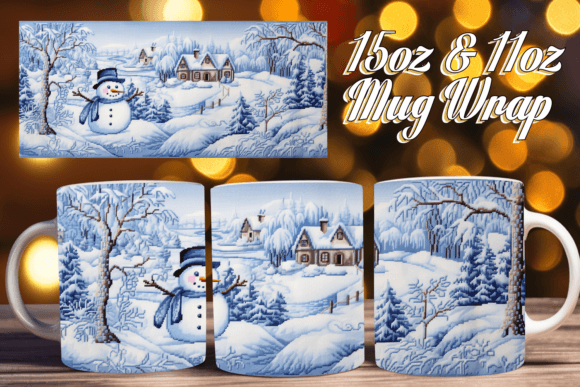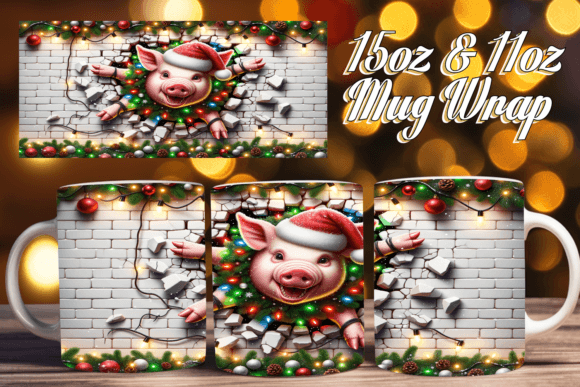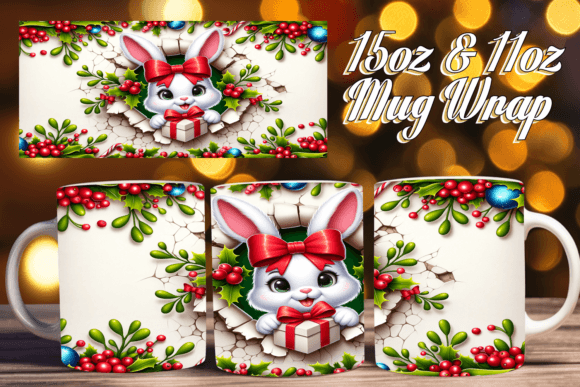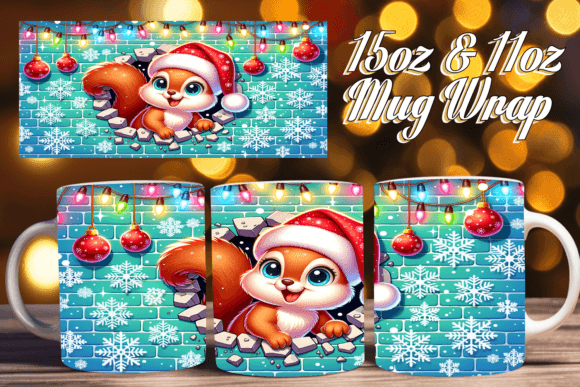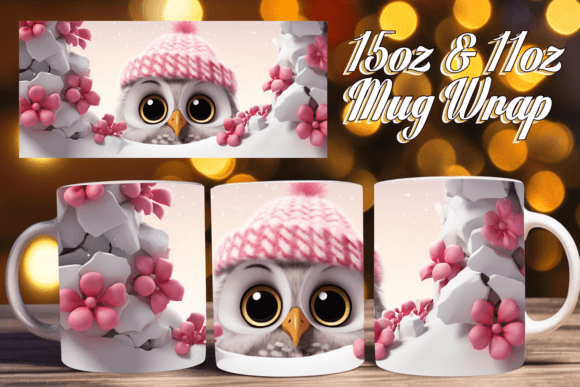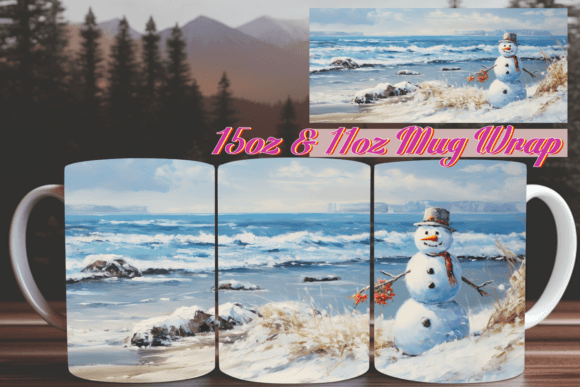
Evaluating the 3D Xmas Elegance Mug Wrap 15oz for Professional Sublimation Projects
Selecting the correct digital asset for holiday merchandise requires balancing aesthetic appeal with technical precision. The 3D Xmas Elegance Mug Wrap 15oz represents a specific category of sublimation design that prioritizes depth, sophisticated color palettes, and exact dimensional accuracy over generic seasonal motifs. For creators and small business owners comparing digital downloads, understanding the distinction between standard flat patterns and true 3D-rendered wraps is essential for managing customer expectations and production quality. This resource is designed specifically for users who already possess sublimation equipment and software, serving as a high-resolution component within an established workflow rather than a standalone tutorial.
Distinguishing True 3D Renders from Flat Digital Patterns
When evaluating mug wrap options, it is important to differentiate between designs that simulate depth through shading and those created using actual 3D rendering engines. Many marketplace listings use the term "3D" loosely to describe flat JPEGs with drop shadows or gradient overlays. In contrast, a genuine 3D Xmas Elegance Mug Wrap 15oz is typically generated in a three-dimensional environment where lighting, texture mapping, and curvature are calculated mathematically before being flattened into a printable PNG.
This technical difference impacts the final physical product significantly. Flat designs often suffer from distortion when wrapped around a cylindrical surface, particularly near the edges where the curve is most pronounced. A properly rendered 3D file accounts for this cylindrical distortion during the creation phase, ensuring that ornaments, ribbons, or elegant flourishes appear proportionate once applied to the mug. For professionals comparing assets, verifying that a file offers this level of geometric correction can prevent wasted blanks and reprints. The elegance aspect further suggests a refined texture map—such as metallic gold leaf, velvet, or glossy ceramic simulation—that relies on high-fidelity rendering to look authentic rather than pixelated.
Technical Specifications and Resolution Standards
For commercial-grade output, resolution is a non-negotiable metric. This digital download includes PNG files optimized at 300 DPI (dots per inch), which is the industry standard for dye-sublimation printing. When comparing this against lower-cost alternatives that may offer 72 DPI or 150 DPI web-optimized images, the difference becomes apparent under heat press conditions. Lower resolution files tend to exhibit banding in gradients and jagged edges on fine details like snowflakes or calligraphy. At 300 DPI, the ink saturation remains consistent, and micro-details retain their sharpness even after the gas transfer process.
The inclusion of both 11oz and 15oz sizing within the same package addresses a common logistical challenge. Many designers create artwork for a single size and attempt to scale it digitally. Scaling a 15oz design down to 11oz often results in lost detail, while scaling up introduces blur. Dedicated files for each volume ensure that the aspect ratio matches the specific taper and height of the mug blank. This dual-size approach reduces the need for manual resizing in raster editing software, preserving the integrity of the original 3D render and saving preparation time during peak holiday production periods.
Comparative Analysis: Elegance vs. Traditional Holiday Styles
The decision to utilize an elegance-themed wrap versus traditional cartoon or bright primary color styles depends heavily on target demographic and price point positioning. Traditional holiday wraps featuring characters, bold reds, and greens generally appeal to children or novelty gift buyers. These designs are often forgiving of minor alignment issues because the visual noise hides imperfections.
Conversely, the 3D Xmas Elegance Mug Wrap 15oz targets a mature market segment seeking sophisticated home decor or premium gifts. Elegant designs typically utilize negative space, metallic accents, and subtle tonal variations. While aesthetically superior for adult consumers, these designs demand higher technical proficiency. Metallic simulations in sublimation rely entirely on color accuracy; if your printer profile is not calibrated correctly, gold may print as mustard yellow or brown. Similarly, the clean lines characteristic of elegant styles make misalignment more visible than in busy patterns. Creators must weigh whether their current equipment calibration supports the nuance required for elegance themes before selecting this style over more forgiving novelty options.
Workflow Prerequisites and Compatibility Considerations
It is critical to emphasize that this digital asset assumes user competency. Unlike beginner kits that include step-by-step pressing guides, this file is strictly a graphic resource. Effective utilization requires a strong grasp of sublimation concepts, including color management, mirror printing, and heat press settings specific to your mug press model. Before purchasing, verify that you have compatible raster editing software capable of handling high-resolution PNG layers without compression artifacts.
Users should also evaluate their hardware compatibility. While the file is sized for standard 15oz mugs, manufacturing tolerances vary between blank suppliers. A "15oz" mug from one vendor may differ by several millimeters in height or circumference compared to another. Professional best practice involves measuring your specific blank inventory and performing a test print on paper to verify fit before committing to sublimation paper and ink. If your workflow lacks the flexibility to make minor cropping adjustments or if you do not own image editing software, this file may present usability challenges. Support for this product is limited exclusively to file integrity issues, such as corruption or download errors, and does not extend to operational guidance or equipment troubleshooting.
Best-Fit Scenarios and Decision Factors
Determining whether the 3D Xmas Elegance Mug Wrap 15oz is the appropriate choice involves assessing your current project goals against the file’s characteristics. This asset is ideally suited for:
- Premium Product Lines: When your pricing strategy reflects high-end craftsmanship and you need visuals that justify a higher margin.
- Corporate Gifting: Elegant designs avoid the risk of alienating recipients with overly religious or juvenile imagery, making them safer for B2B contexts.
- Experienced Sublimators: Users who have dialed in their ICC profiles and press settings will extract maximum value from the 300 DPI fidelity.
- Multi-Size Inventory: Businesses stocking both 11oz and 15oz blanks benefit from the pre-sized templates, streamlining batch production.
However, alternative options may be preferable in specific situations. If you are new to sublimation and still calibrating your equipment, high-contrast novelty designs may serve as better learning tools due to their forgiveness of color shifts. If you require vector-based artwork for infinite scalability across tumblers, plates, and ornaments beyond mug wraps, a raster PNG wrap may be too limiting. Additionally, if you lack image editing software to perform minor fit adjustments, seeking a seller who provides comprehensive tutorials or pre-pressed transfers might be a more practical entry point.
Maximizing Value Through Proper File Management
To fully leverage the quality of these high-resolution templates, proper digital asset management is necessary. Always work with copies of the original PNG files rather than editing the master download. This preserves the pristine 300 DPI source for future projects. When customizing the wrap—perhaps adding a personalized name or date—ensure that any added text elements match the resolution and color profile of the base image. Introducing low-resolution text onto a high-fidelity 3D background creates a jarring quality mismatch that undermines the professional appearance of the final product.
Furthermore, consider the color space implications. Sublimation printers typically operate in CMYK, while PNG files are often RGB. Understanding how your specific RIP software or printer driver handles this conversion is vital for maintaining the intended elegance of the color palette. Test prints on sublimation paper (without pressing) can help verify that colors are translating correctly before applying heat. By treating this digital download as a professional-grade component within a validated workflow, creators can produce merchandise that stands out in a saturated holiday market through superior technical execution and refined aesthetic presentation.