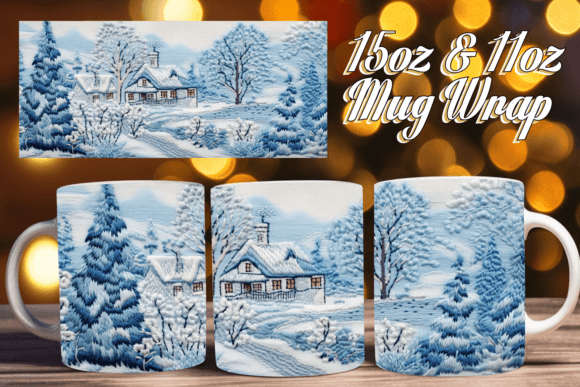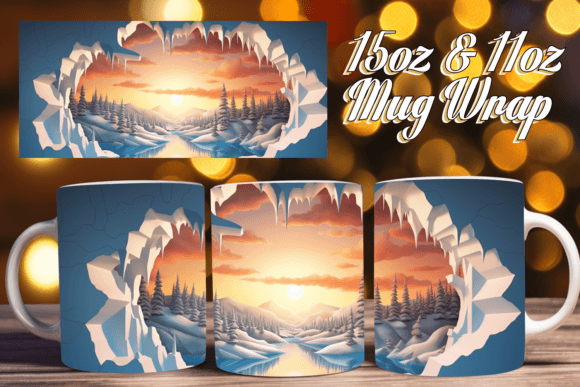
Winter Magic in 3D Mugs: A Practical Guide to Successful Sublimation
The appeal of Winter Magic in 3D Mugs lies in the illusion of depth and texture that transforms a standard ceramic vessel into a tactile experience. Unlike flat designs, these templates utilize shading, perspective, and lighting effects to create a visual pop that mimics embossing or intricate carving. For creators and small business owners targeting the holiday market, this aesthetic offers a premium look without the cost of actual physical molding. However, achieving this effect requires more than just pressing an image onto a mug; it demands a precise understanding of how sublimation ink interacts with coated surfaces to render three-dimensional illusions accurately.
Before incorporating these designs into your product lineup, it is vital to recognize that digital files are only one component of the equation. The success of your final product depends heavily on your existing technical proficiency. You must have a strong grasp of sublimation concepts, including heat press calibration, dwell time, and color management, before attempting these projects. Support for these specific files is exclusively reserved for addressing issues directly related to the download itself, such as file corruption or resolution discrepancies. Guidance regarding the sublimation process, equipment settings, or troubleshooting printer errors falls outside the scope of seller assistance. Ensuring you have the required software and hardware ready before purchase prevents frustration and ensures a smooth creative workflow.
Common Misunderstandings About 3D Sublimation Templates
A frequent error among beginners is assuming that any high-resolution PNG will automatically yield a 3D effect on a curved surface. While the included files are optimized at 300 DPI, the perception of depth relies entirely on correct alignment and wrapping. If the template is stretched disproportionately to fit a mug with slightly different dimensions, the artificial shadows and highlights can distort, flattening the image and ruining the intended magic. This often happens when users rely solely on automated resizing tools rather than manually verifying measurements against their specific blank mugs.
Another overlooked detail involves color profile mismatches. Winter themes often feature cool whites, icy blues, and deep greens. These colors are notoriously sensitive to temperature variations and ICC profile inaccuracies. A design that looks vibrant on screen may print with muddy grays or shifted teals if your printer is not calibrated for sublimation paper and polyester coatings. Relying on generic color settings instead of a custom profile tailored to your specific ink and paper combination is a primary cause of wasted materials and unsellable inventory. Always perform test prints on scrap material to verify that the subtle gradients essential for the 3D effect are translating correctly from digital to physical form.
Technical Specifications and File Utilization
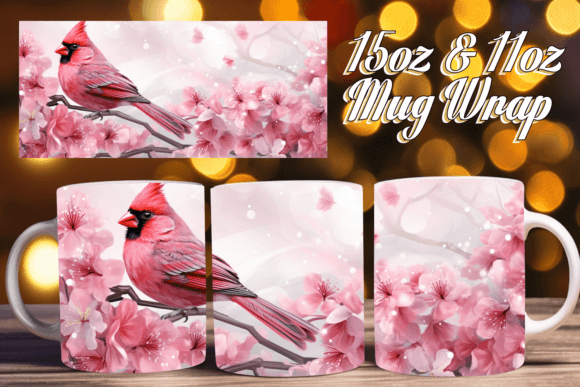
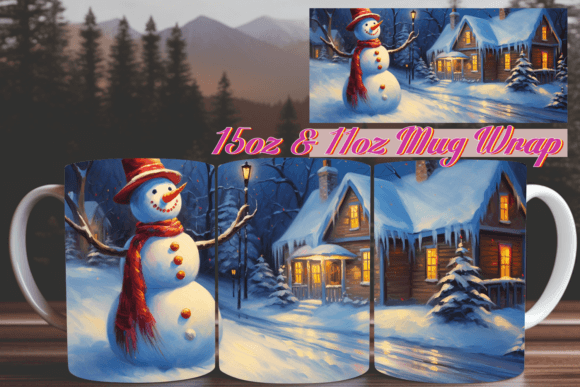
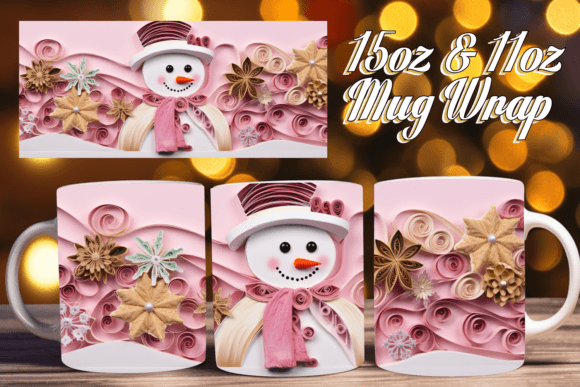
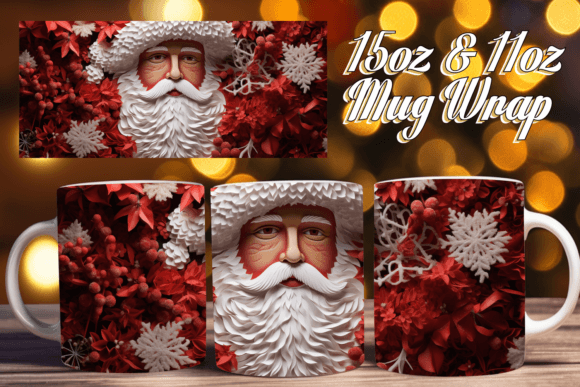
To maximize the value of your purchase, familiarize yourself with exactly what is provided. This download includes two distinct PNG files specifically optimized for sublimation printing. These are not merely decorative images but functional templates sized to fit standard 11oz and 15oz sublimation mug wraps. Understanding the difference between these sizes is crucial. An 11oz wrap typically measures approximately 9.5 inches by 3.75 inches, while a 15oz wrap is generally around 10.5 inches by 4.5 inches. Using the wrong size template results in either white borders or cropped design elements, both of which compromise the professional finish expected by customers.
- Resolution Integrity: All files feature 300 DPI high-resolution image quality. Never upscale these files beyond their native dimensions, as pixelation destroys the fine details necessary for the 3D illusion.
- Format Compatibility: PNG templates allow for transparency and layering in most graphic design software. Ensure your editing program supports CMYK conversion or accurate RGB-to-sublimation translation.
- Versatility: While designed for mugs, these high-quality assets are suitable for a wide range of sublimation projects, including tumblers and coasters, provided the surface area accommodates the aspect ratio.
Customization is encouraged, but it must be done thoughtfully. When adding personalization like names or dates, place text in areas where the background contrast supports readability. Placing dark text over a shadowed region of a 3D design can make the lettering illegible after pressing. Instead, utilize the lighter zones of the template or add a subtle backing glow behind the text to maintain clarity without disrupting the overall depth effect.
Evaluating Readiness Before Purchase
Honest self-assessment saves money and time. Before downloading Winter Magic in 3D Mugs, verify that your current setup can handle detailed sublimation work. Do you possess a reliable heat source capable of maintaining even pressure across the entire mug surface? Uneven pressure creates ghosting or faded spots that are particularly noticeable in gradient-heavy 3D designs. Do you have software capable of opening large-format PNGs without crashing or altering color values? Basic mobile apps often compress images or strip metadata, rendering high-DPI templates useless.
Consider your production timeline as well. Mastering the nuances of 3D mug pressing takes practice. If you have an immediate deadline for a holiday market or client order, using a new technique or unfamiliar file type introduces unnecessary risk. Allocate time for sampling and adjustment. Treat your first few attempts as learning investments rather than sellable products. This mindset reduces stress and allows you to refine your process until the results consistently match the digital preview.
Maintaining Quality and Seeking Appropriate Support
Quality control should extend beyond the press. Inspect finished mugs under natural or daylight-balanced lighting to catch color shifts or alignment issues that shop lights might hide. Consistent evaluation helps identify whether problems stem from the file, the equipment, or the operator. Documenting your settings for successful presses creates a reference library that streamlines future production and maintains brand consistency.
Should you encounter challenges, distinguish clearly between file-related issues and process-related hurdles. If a downloaded PNG appears corrupted, lacks transparency, or does not match the advertised dimensions, reach out immediately for resolution. The seller is dedicated to ensuring the digital asset meets specifications and will happily provide support for these specific concerns. Conversely, questions about why a mug turned brown, why colors bled, or how to adjust heat press pressure require consultation with equipment manufacturers, sublimation communities, or educational resources dedicated to printing techniques.
By approaching Winter Magic in 3D Mugs with technical preparation and realistic expectations, you transform a simple digital download into a cornerstone of your seasonal product offerings. Success in sublimation is rarely accidental; it is the result of respecting the medium, understanding the tools, and applying knowledge methodically. When you combine high-quality 300 DPI templates with verified skills and proper equipment, the resulting products capture the enchantment of winter in a way that resonates with customers and elevates your craft. Thank you for choosing these designs, and here is to creating amazing experiences through informed and skilled creation.