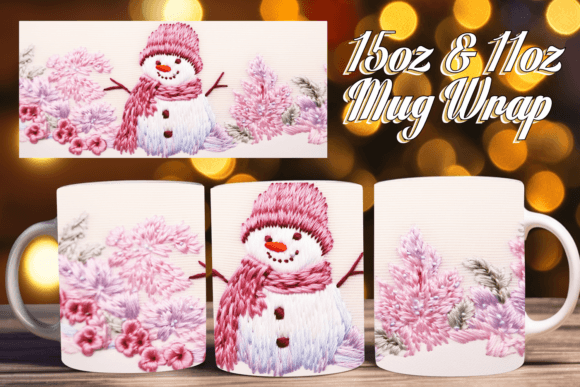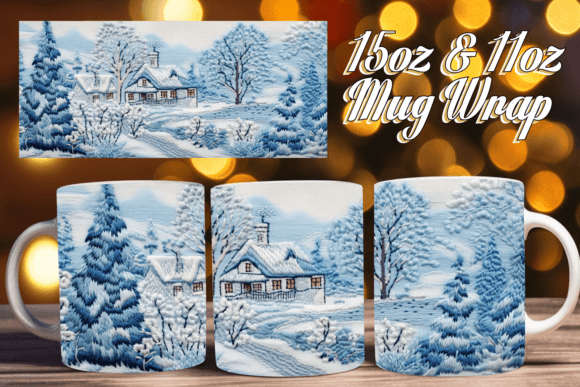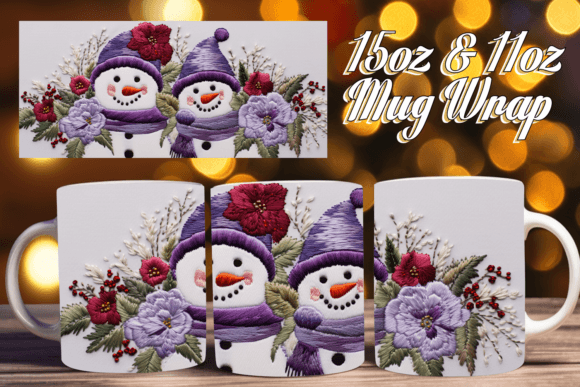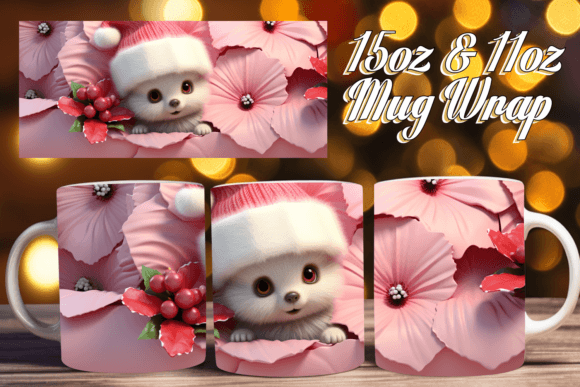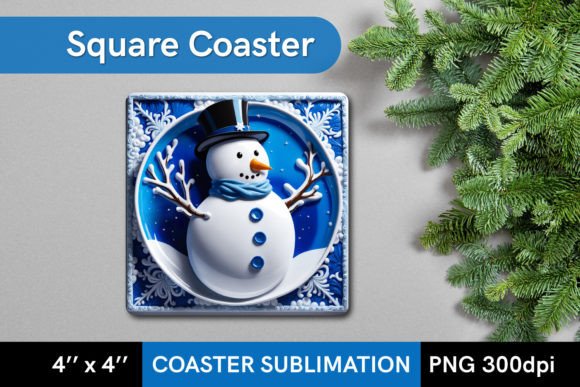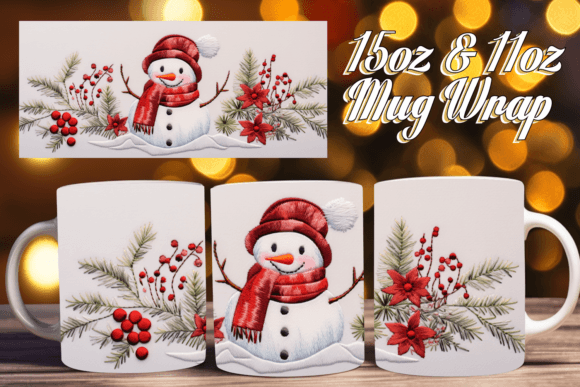
Mastering the 3D Snowman Winter 11oz Sublimation Design for Professional Mug Printing
The intersection of seasonal aesthetics and technical precision defines successful sublimation printing, particularly when working with specialized digital assets like the 3D Snowman Winter 11oz design. For creators, business owners, and hobbyists entering the winter merchandise market, understanding the specific requirements of this file type is as critical as the artistic appeal of the snowman itself. This design is not merely a decorative image; it is a technical template engineered for high-heat transfer processes. Achieving a flawless final product requires moving beyond basic printing knowledge to master the nuances of resolution, substrate compatibility, and color management inherent in 300 DPI PNG files optimized for ceramic coating.
Technical Specifications and Resolution Standards
The foundation of any high-quality sublimation project lies in the integrity of the source file. The 3D Snowman Winter template is provided as a high-resolution PNG at 300 DPI (dots per inch). In the context of dye-sublimation, this resolution threshold is non-negotiable. While screen displays often render images clearly at 72 or 96 DPI, the physical transfer of ink onto a curved ceramic surface demands significantly higher pixel density. At 300 DPI, the intricate shading that creates the "3D" illusion of the snowman remains crisp during the heat press phase. Lower resolution files tend to pixelate or blur when the ink transitions from solid to gas, destroying the depth perception that makes this specific winter design desirable.
Furthermore, the PNG format offers distinct advantages over JPEG or TIFF for this application. As a lossless compression format, PNG preserves the exact color values and edge definition without introducing compression artifacts. When printing a design with complex gradients—such as the shadows and highlights on a 3D rendered snowman—artifacting can manifest as unwanted banding or noise on the finished mug. The included files are specifically optimized to maintain these gradient transitions smoothly. Users must recognize that while the file is versatile, its primary engineering targets the specific curvature and printable area of standard sublimation mugs. Altering the aspect ratio disproportionately can distort the 3D perspective, flattening the visual effect that the design intends to convey.
Equipment Prerequisites and Workflow Compatibility
To effectively utilize this file, it is essential to have a strong grasp of the concept of sublimation before initiating production. This digital asset serves as the blueprint, but the execution relies entirely on the user's existing infrastructure. The design workflow necessitates professional-grade raster graphics software capable of handling CMYK color profiles and high-DPI canvases. Programs such as Adobe Photoshop, CorelDRAW, or specialized RIP software are typically required to manage color correction and mirroring. Standard office printers or basic photo editing apps generally lack the color gamut and driver support necessary for sublimation inks, leading to muddy colors or incorrect sizing.
Hardware considerations extend beyond the printer. The 3D Snowman Winter 11oz wrap is sized specifically for standard 11oz mugs, yet the package also includes sizing for 15oz variants. This distinction is vital because the printable surface area differs significantly between these two vessel sizes. Using an 11oz template on a 15oz mug will result in unprinted white bands, while forcing a 15oz design onto an 11oz mug causes overlapping and distortion. Makers must verify their blank inventory matches the digital template selected. Additionally, the heat press equipment must offer even pressure distribution across the entire wrap area. Uneven pressure is the most common cause of ghosting or faded spots in 3D designs, where the illusion of depth relies on consistent ink saturation.
Visual Psychology and Seasonal Market Relevance
Beyond technical execution, the success of the 3D Snowman Winter 11oz design stems from its alignment with consumer psychology during the holiday season. Three-dimensional rendering in sublimation offers a tactile quality that flat vector art cannot replicate. The simulated lighting and texture in the snowman graphic trigger a sensory response, making the mug feel more premium and substantial. For business owners and Etsy sellers, this perceived value translates directly to pricing power. Customers are often willing to pay a premium for items that appear custom-sculpted or professionally illustrated rather than generic clip art.
This design also serves as a versatile base for personalization. Because the files are high-resolution PNGs, they function as robust layers within a larger composition. Educators creating classroom gifts, corporate event planners ordering branded holiday swag, or parents making personalized stockings can integrate names, dates, or logos into the negative space of the design without compromising the 3D effect. The key to successful customization is maintaining the original file’s integrity. Adding low-resolution text or pixelated logos over a 300 DPI background creates a jarring contrast in quality. All added elements must match the source file’s resolution standards to ensure a cohesive final product that meets professional retail expectations.
Color Management and Ink Transition Dynamics
One of the most challenging aspects of utilizing the 3D Snowman Winter template is accurate color reproduction. Sublimation ink behaves differently than standard pigment or dye ink; it appears dull and desaturated on paper before heating and only reveals its true vibrancy after transferring to the polyester-coated substrate. The 3D effect in this snowman design relies heavily on subtle tonal variations to create depth. If the printer profile is not calibrated correctly for the specific sublimation ink and paper combination being used, these subtle tones can collapse, resulting in a flat, cartoonish appearance rather than a dimensional render.
Professionals should always perform test prints using the exact settings intended for production. Variables such as humidity, paper weight, and ink age can shift color output. Since the 3D Snowman Winter 11oz files are optimized for sublimation, they assume a standard ICC profile workflow. Deviating from recommended color spaces without proper profiling can alter the cool blues and whites characteristic of winter themes, potentially shifting them toward unwanted cyan or magenta casts. Understanding that the digital preview on a backlit monitor will never perfectly match the reflective ceramic surface is crucial for managing expectations and reducing waste during the calibration process.
Support Boundaries and File Integrity
When acquiring specialized digital assets, understanding the scope of vendor support is as important as understanding the file specifications. The provider explicitly states that support is exclusively available for addressing issues specifically related to the files themselves. This distinction protects both parties by setting clear boundaries. If the downloaded PNG is corrupt, missing, or fails to meet the stated 300 DPI resolution, the creator will provide immediate assistance and replacement. However, guidance on printer settings, heat press temperatures, software tutorials, or general sublimation techniques falls outside this scope.
This policy underscores the necessity for buyers to possess foundational competency before purchase. Before making a purchase, please ensure that you have the required software and equipment at your disposal, as guidance on processes involved is not included. This requirement ensures that the transaction remains focused on the digital asset's quality rather than serving as a proxy for technical training. For those new to sublimation, it is advisable to practice with free or lower-stakes designs to build proficiency before utilizing premium templates like the 3D Snowman Winter series. Mastery of the medium ensures that the high-quality assets yield the high-quality results they were designed to produce.
Optimizing Production Efficiency and Consistency
For businesses scaling up winter production, the consistency of the 3D Snowman Winter 11oz and 15oz templates facilitates streamlined workflows. Because the files are pre-sized and optimized, they eliminate the guesswork associated with measuring and resizing generic artwork. This standardization reduces setup time per unit and minimizes material waste caused by sizing errors. When producing batches for markets or wholesale orders, using identical, verified templates ensures that every mug in the series maintains uniform margins and alignment. This level of consistency is a hallmark of professional manufacturing and distinguishes established brands from amateur crafters.
Storage and file management also play a role in long-term utility. Keeping the original high-resolution PNGs in a dedicated, backed-up library prevents accidental degradation. Repeatedly saving over the original file in certain software can introduce compression artifacts over time. By treating the 3D Snowman Winter download as a master asset and exporting working copies for daily use, creators preserve the file’s longevity. Should challenges arise regarding the file’s performance or specifications, users are encouraged to get in touch for support. Maintaining open communication regarding file-specific issues ensures that the asset continues to serve as a reliable component of a broader sublimation business strategy throughout the winter selling season.