Integrating 3D Snowflake SVG and Christmas Ornament SVG Files into Creative Workflows
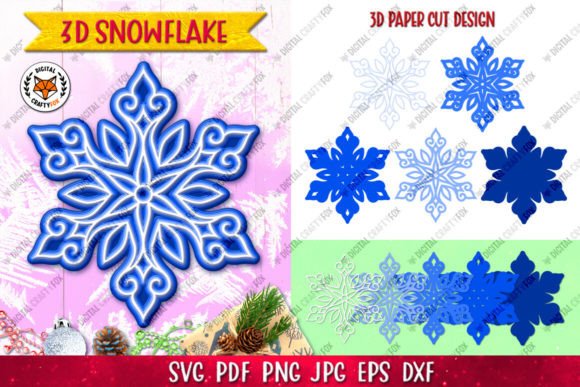
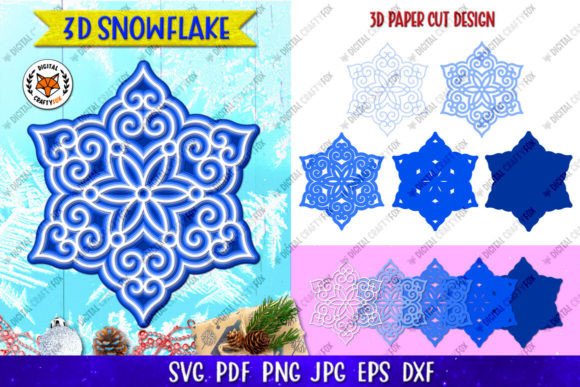
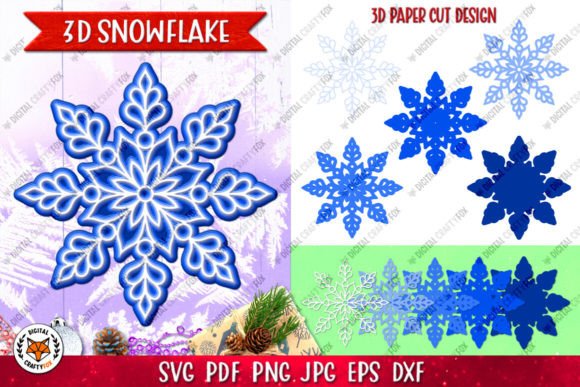
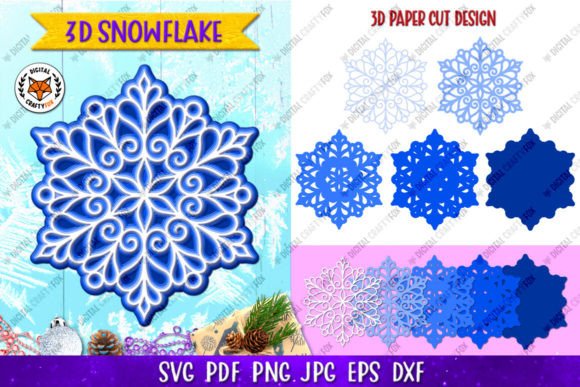
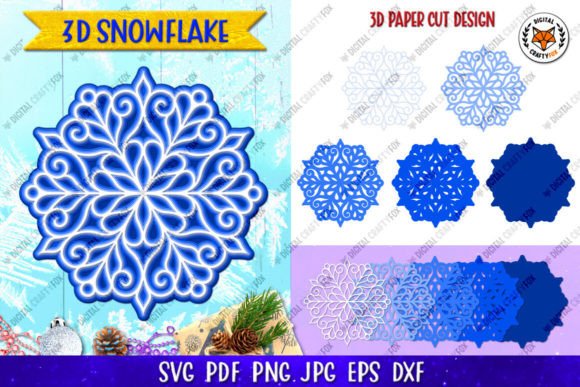
The transition from digital design to physical product requires precise assets and a structured workflow. For makers, small business owners, and educators, the 3D Snowflake SVG serves as more than just a seasonal graphic; it is a functional component in manufacturing, classroom instruction, and digital content creation. When utilizing a Christmas Ornament SVG designed for layered assembly, success depends on understanding file compatibility, material preparation, and assembly logic. This specific 5-layer snowflake design bridges the gap between digital planning and tangible output, offering versatility across laser cutting, paper crafting, and sublimation processes.
Understanding the Digital Asset Ecosystem
A comprehensive digital download package eliminates friction during the production phase. This 3D layered Christmas ornament asset includes six distinct file formats, each serving a specific technical purpose within a creative workflow. Understanding when and how to deploy each format ensures efficiency and reduces trial-and-error waste.
- DXF Files: Essential for users operating Silhouette Studio Basic Edition or other entry-level cutting software. These vector files maintain clean lines without requiring premium software upgrades, making them accessible for hobbyists and professionals alike.
- SVG Files: The industry standard for Cricut Design Space, Brother CanvasWorkspace, and Adobe Illustrator. SVGs retain layer information, allowing you to manipulate individual snowflake tiers independently before cutting or printing.
- EPS10 Files: High-resolution vectors (864x864 pixels) optimized for professional print shops and advanced editing in CorelDRAW or Inkscape. This format preserves scalability for large-format signage or detailed resizing without pixelation.
- PDF Files: Provided at 300 DPI on a transparent background in RGB color space. These are ideal for direct printing, hand-cutting templates, or sharing proofs with clients who do not have vector software.
- JPG Files: High-resolution raster images (3600x3600 pixels, 300 DPI) suitable for sublimation transfers, web listings, or marketing materials where vector data is unnecessary.
- PNG Files: Matching the JPG specifications but featuring a transparent background. This transparency is critical for overlaying the 3D snowflake onto colored cardstock digitally or creating composite designs for apparel and mugs.
In addition to these digital formats, the inclusion of files specifically for hand cutting acknowledges that not all workflows are automated. This hybrid approach supports mixed-media artists and educators who combine digital precision with traditional craftsmanship.
Pre-Production Planning and Material Selection
Before initiating any cut or print job, align your material choice with the intended application of the 3D Snowflake SVG. The five-layer structure demands materials that balance rigidity with ease of manipulation. For laser cutting, 3mm basswood or acrylic provides structural integrity, while cardstock (80lb–110lb) is preferable for paper crafting and die-cutting machines.
Color management is a critical pre-production step. Please note that colors may differ from actual output depending on computer monitor calibration and resolution settings. Discrepancies between screen display and physical printing are common, particularly when working with RGB source files intended for CMYK printers or natural wood substrates. Always perform a test cut or print swatch to verify color accuracy and dimensional fit. If the 3D effect relies on shadow depth, ensure your material thickness allows for adequate spacing between layers; otherwise, the ornament may appear flat rather than dimensional.
Laser Cutting and CNC Workflows
When using DXF or SVG files for laser cutting, organize layers by function rather than appearance. Assign separate color codes to cut lines, score lines, and engraving areas within your laser software. For this 5-layer snowflake, verify that registration marks or alignment tabs are present if the design requires stacking precision. Test the kerf (cut width) of your laser on scrap material first; even a 0.1mm variance can prevent snug fitting in layered assemblies. Adjust power and speed settings to minimize char marks on light-colored woods or paper, ensuring the final Christmas Ornament SVG project looks professional without excessive post-processing.
Vinyl and Paper Cutting Machine Integration
For Cricut and Silhouette users, import the SVG file directly to preserve layer hierarchy. Use the "Attach" function sparingly; only attach elements that must move together relative to one another. For a 3D layered ornament, keep layers detached until you are ready to arrange them on the mat. Utilize the offset tool if you need to create adhesive backing layers or shadow mats that aren't included in the base design. When cutting intricate snowflake details, use a sharp blade and appropriate pressure settings to avoid tearing. A tacky mat is recommended for cardstock to prevent shifting during complex cuts.
Sublimation and Digital Printing Applications
The high-resolution PNG and JPG files transform this 3D snowflake concept into a surface design. For sublimation, mirror the image before printing and use high-quality transfer paper. Since the source is RGB, expect vibrant colors that may shift slightly upon heat pressing; polyester substrates typically yield the most accurate color reproduction. For traditional printing, convert the PDF or PNG to CMYK if your printer profile requires it, though many modern inkjets handle RGB-to-CMYK conversion adequately for craft projects. The transparent PNG is particularly valuable here, allowing you to place the snowflake over patterned backgrounds or product mockups without white bounding boxes.
Assembly and Quality Control Protocols
The value of a 3D Layered Christmas Ornament lies in its assembled form. Establish a consistent assembly protocol to ensure uniformity, especially if producing batches for sale or gifts. Use foam tape, glue dots, or laser-cut spacers to maintain even separation between the five layers. Adhesive choice matters: liquid glues can warp paper, while hot glue adds unwanted bulk. Double-sided adhesive sheets or precision applicator tips offer the cleanest finish.
Implement quality control checkpoints throughout assembly. Verify layer orientation against the reference image before adhering; rotational symmetry errors are difficult to fix once bonded. Inspect edges for burn marks or fraying, sanding or trimming as necessary. For commercial products, photograph the finished ornament under consistent lighting to accurately represent the 3D depth in online listings. Remember that monitor discrepancies affect customer perception as well; provide accurate descriptions and multiple angle shots to set realistic expectations.
Post-Project Organization and Client Communication
Efficient file management extends beyond the initial download. Create a standardized folder structure for this asset: separate folders for vectors, rasters, and project-specific modifications. Rename files descriptively (e.g., "Snowflake_5Layer_Layer1_Cut.svg") rather than relying on generic filenames. This organization saves time during future holiday seasons or when adapting the design for non-seasonal winter themes.
If you encounter technical issues or have questions about file compatibility, contact the seller promptly. Clear communication resolves discrepancies faster than troubleshooting alone. Additionally, if the product meets your needs and streamlines your workflow, please rate the store. Feedback helps creators refine their offerings and assists other buyers in making informed decisions. Your review contributes to a healthier marketplace ecosystem where quality digital assets remain viable and accessible.
Maximizing Long-Term Value
This 3D Snowflake SVG collection is designed for repeated use across multiple contexts. Beyond ornaments, adapt the layers for window clings, cake toppers, greeting cards, or educational geometry lessons. The modular nature of the five-layer system allows you to omit or rearrange tiers for different scales and applications. By treating this digital download as a flexible production asset rather than a single-use template, you maximize return on investment and reduce future design costs.
Successful integration of digital cutting files requires attention to detail, proper tool selection, and systematic execution. Whether you are a freelancer fulfilling client orders, an educator teaching spatial reasoning, or a hobbyist creating personalized decor, these resources support diverse objectives. Thank you for visiting my store. Have a nice day, and may your creative projects proceed smoothly from screen to physical reality.